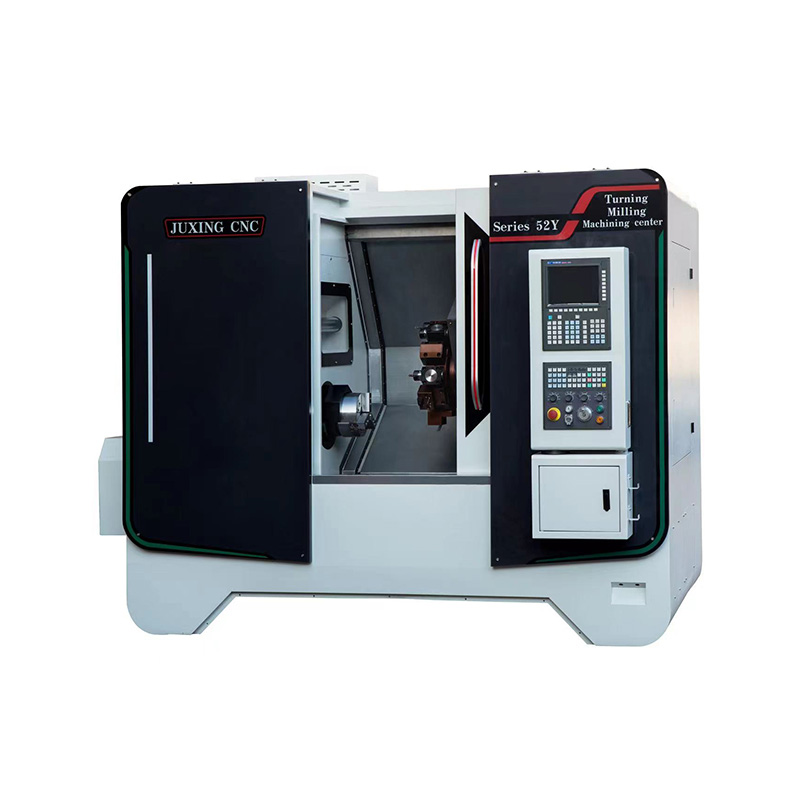
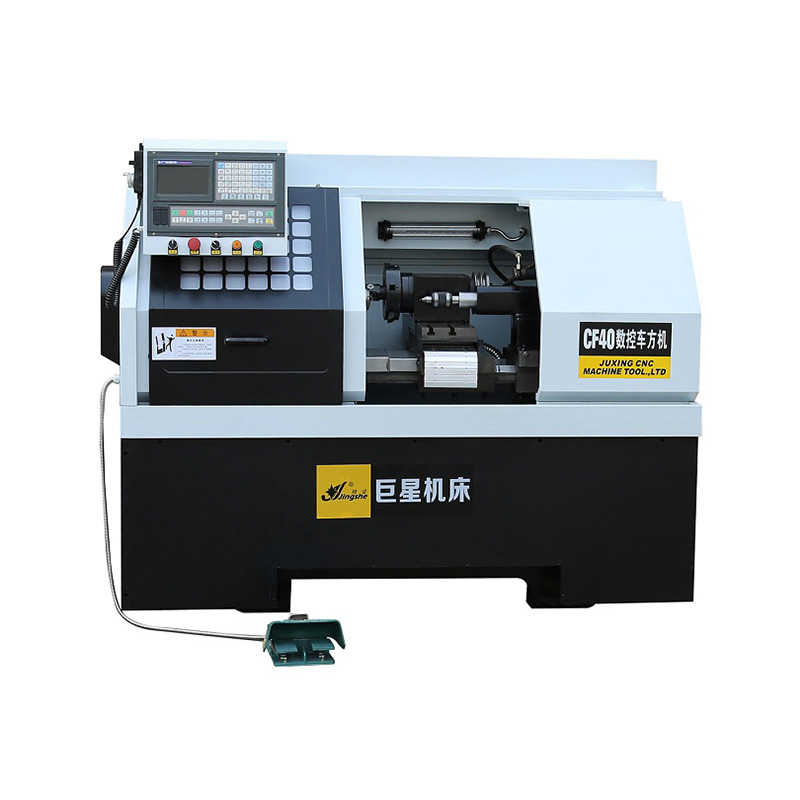
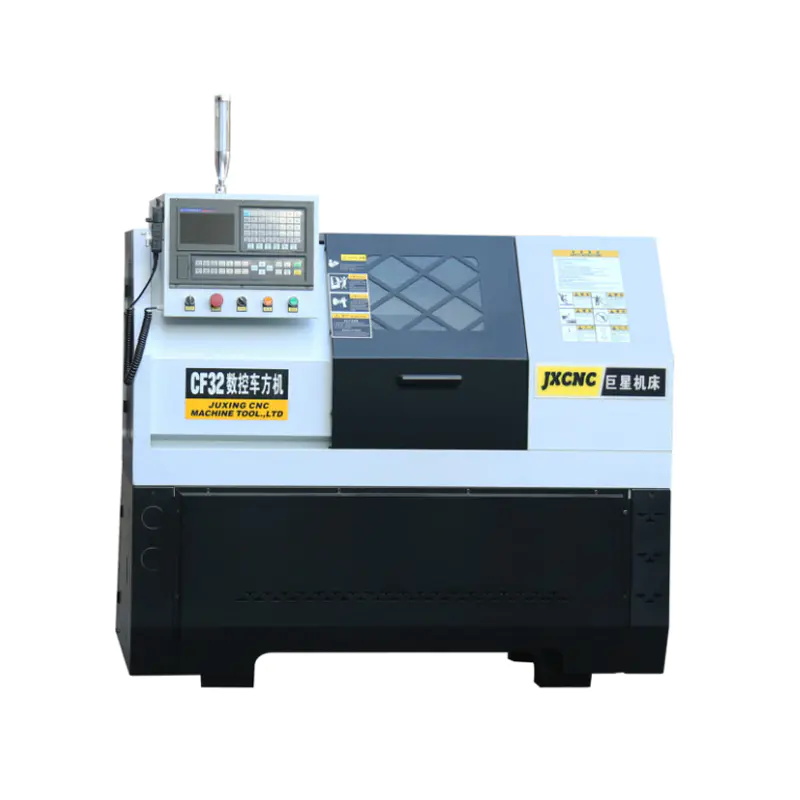
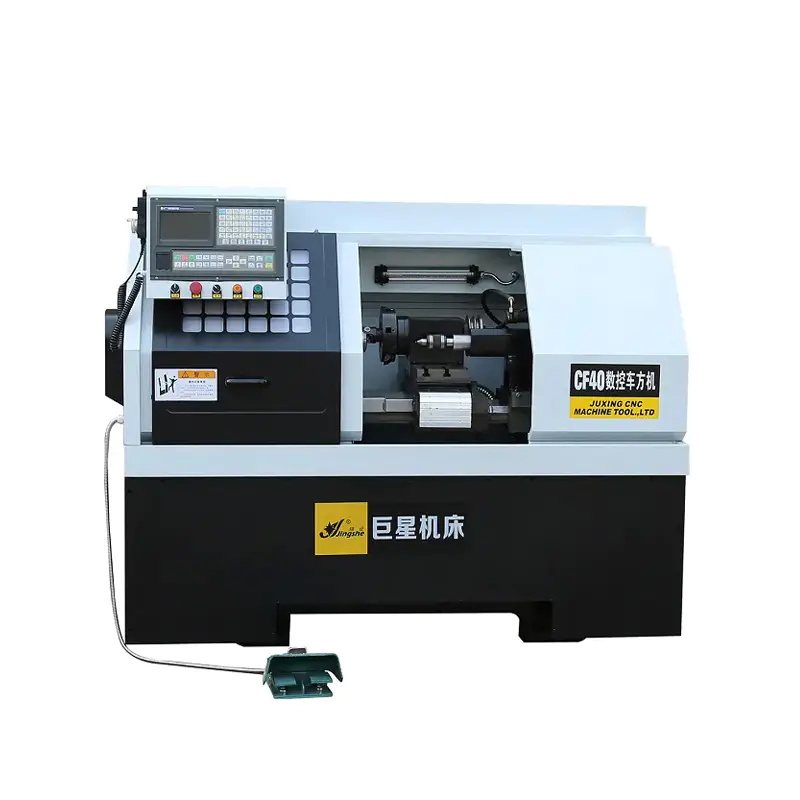
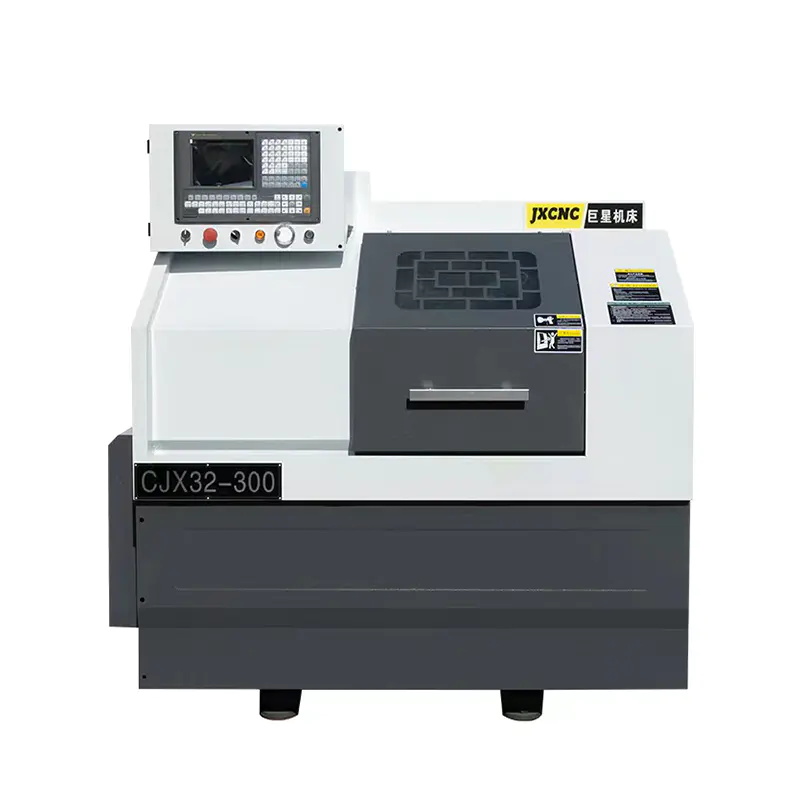
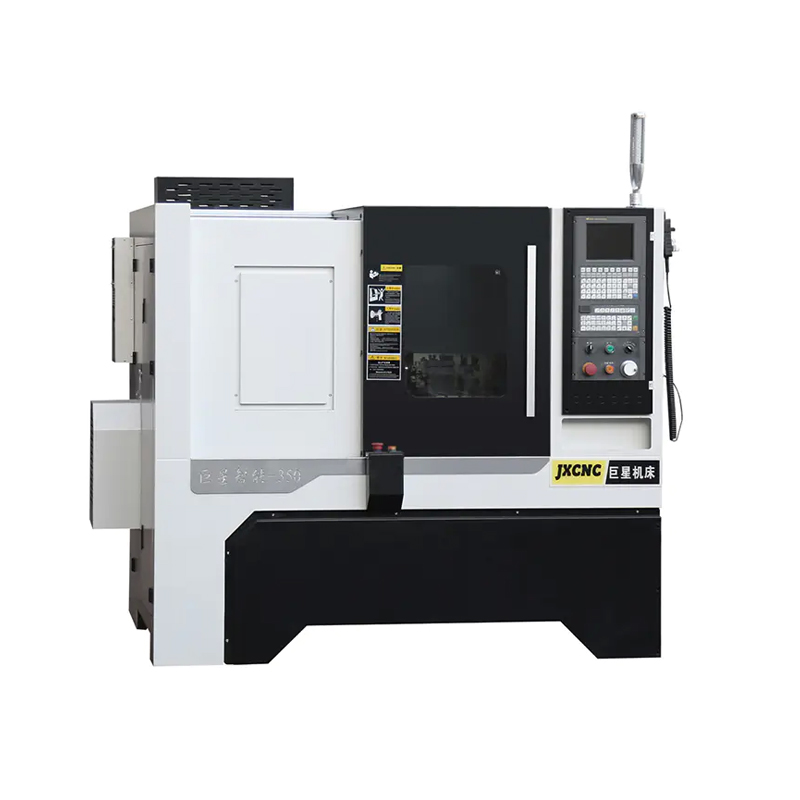
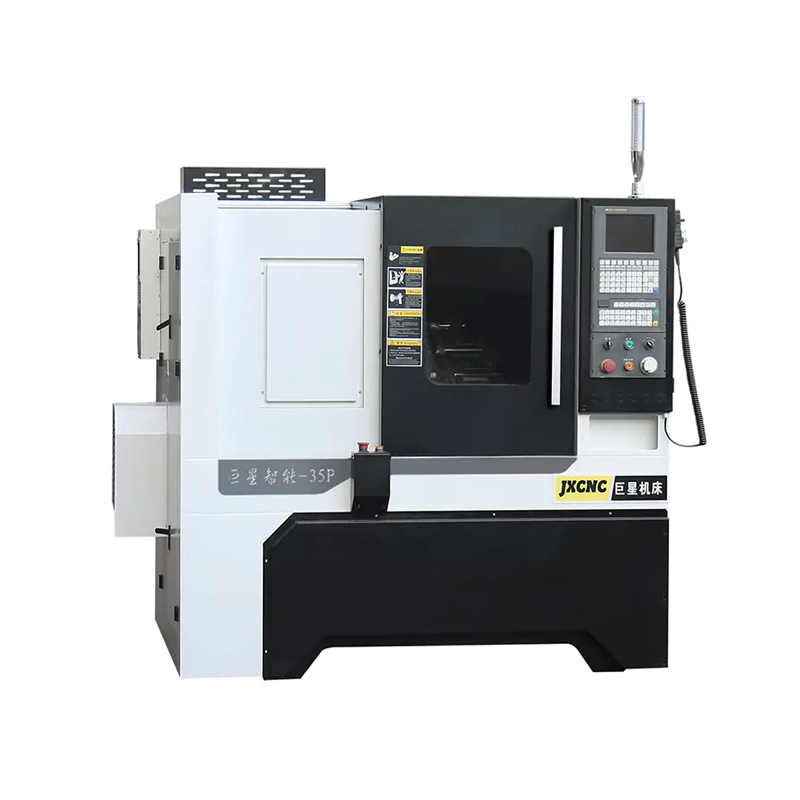
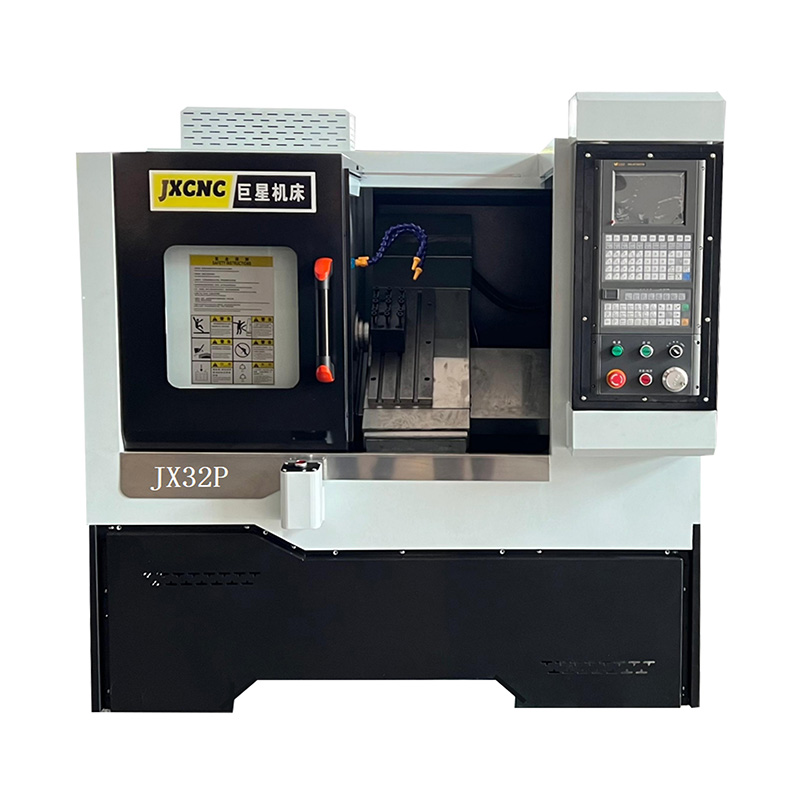
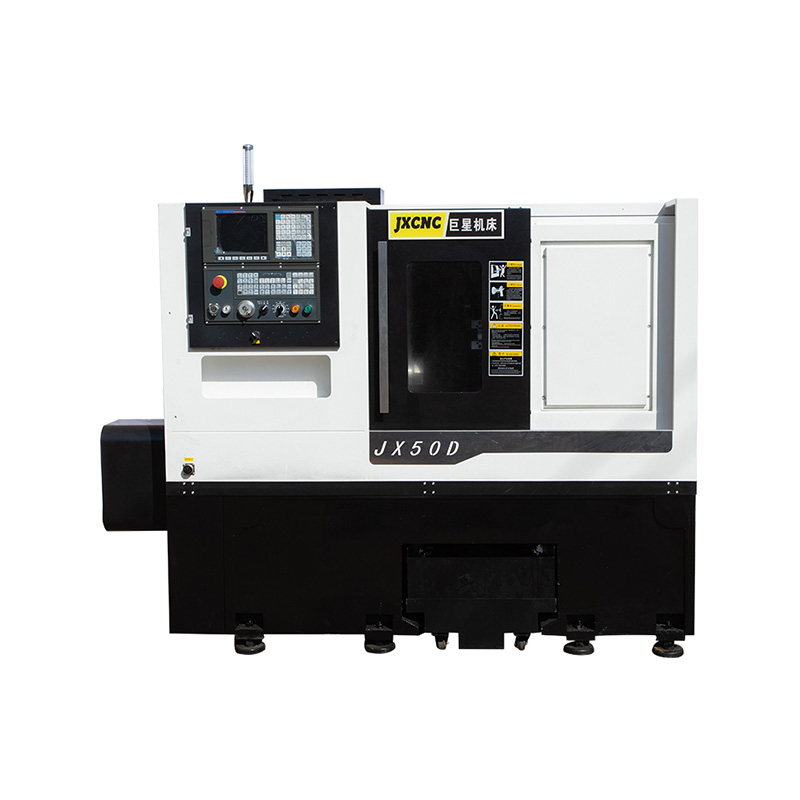
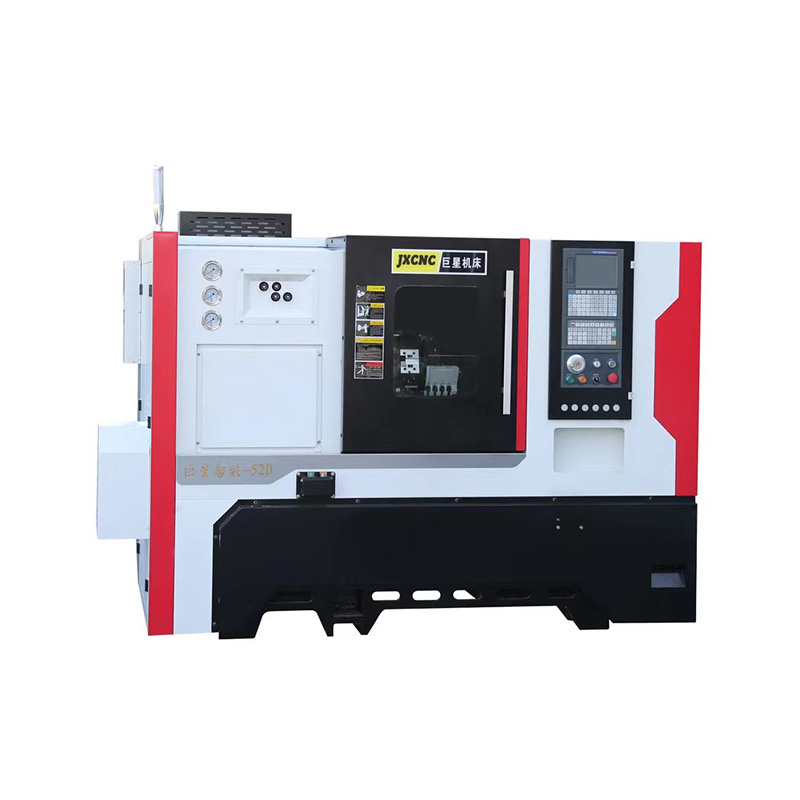
Traditional turning is naturally associated with round shafts, discs, sleeves, and other rotational components. Yet modern manufacturing increasingly involves parts with flats, slots, offset holes, angular surfaces, and irregular profiles. This raises an important question: can a CNC Rectangular Turning Machine handle geometries that are not purely cylindrical?
The answer depends less on the machine name and more on its axis configuration, tooling system, workholding method, and control capabilities. With suitable equipment, unusual geometries can become practical machining tasks rather than a reason to move the part to another machine.
Where Conventional Turning Reaches Its Limits
Standard turning removes material from a rotating workpiece with tools moving along controlled axes. This approach works naturally with cylindrical and tapered surfaces, but some component features require cutting directions that do not follow the basic turning process.
- Flat surfaces may require milling rather than ordinary turning.
- Cross holes can require radial drilling or live tooling.
- Keyways and slots often need controlled milling movement.
- Offset features may require Y-axis positioning.
- Polygonal profiles can require coordinated spindle and cutting-tool motion.
These features explain why modern turning platforms increasingly combine turning with secondary machining functions.
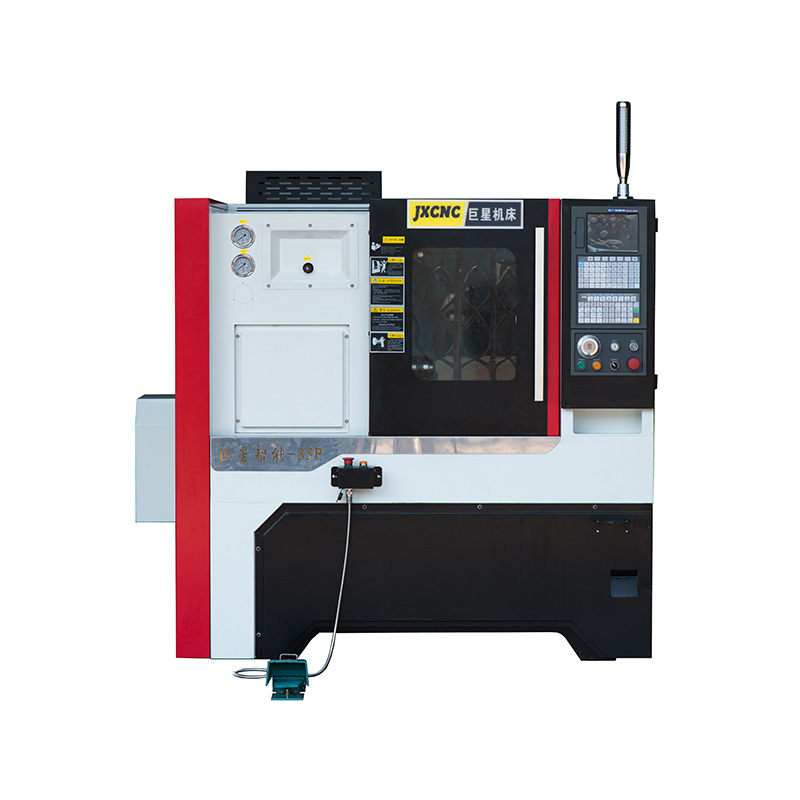
How a CNC Rectangular Turning Machine Can Approach Complex Profiles
The capability of a CNC Rectangular Turning Machine depends heavily on its configuration. Machines equipped with driven tools can perform milling, drilling, tapping, and other operations while the workpiece remains clamped. C-axis positioning can control angular orientation, while Y-axis movement can provide access to off-center features.
This setup is useful for components that combine rotational and non-rotational surfaces. Instead of treating a rectangular feature as a completely separate manufacturing problem, the CNC system can coordinate spindle orientation with tool movement to create the required profile.
Key Configuration Points
- Live tooling: Supports milling and drilling operations directly from the turning center.
- C-axis control: Allows controlled spindle indexing for angular features.
- Y-axis travel: Provides additional positioning for off-center and asymmetric features.
- Rigid workholding: Helps maintain part position during interrupted or cross-direction cutting.
Size and Spindle Capacity Still Matter
Geometry alone does not determine machine suitability. Workpiece dimensions must remain within the machine's swing, turning diameter, machining length, chuck capacity, and spindle bore.
As a reference, some current slant-bed CNC models provide machining diameters around 500 mm, turning lengths from approximately 430 to 1,000 mm, and spindle speeds reaching 4,200 rpm. Other compact machines can reach 4,000–5,000 rpm depending on configuration.
Such specifications demonstrate why buyers should evaluate the actual part envelope rather than judge a CNC turning machine solely by its category.
Workholding Becomes Critical with Irregular Parts
Rectangular or partially rectangular components can behave differently from conventional round stock during machining. Uneven clamping pressure may affect stability, while interrupted cutting can generate fluctuating loads.
- Check chuck jaw coverage against the actual workpiece shape.
- Consider soft jaws for irregular external profiles.
- Verify clearance between the tool, chuck, and workpiece.
- Evaluate cutting forces before applying aggressive milling parameters.
These considerations become particularly important when a part combines a cylindrical base with rectangular flats or asymmetric features.
Which Parts Can Benefit from This Approach?
Typical applications include valve components, shafts with wrench flats, mechanical connectors, bushings with cross holes, hydraulic components, and parts requiring both turning and milling operations. The exact capability depends on machine axes, turret design, spindle performance, tooling, and CNC control.
A CNC Rectangular Turning Machine should therefore be evaluated by the geometry it can actually generate, rather than by whether the workpiece looks rectangular or cylindrical. A suitable configuration can bridge the gap between conventional turning and more complex multi-operation machining.



 English
 中文简体
中文简体 русский